




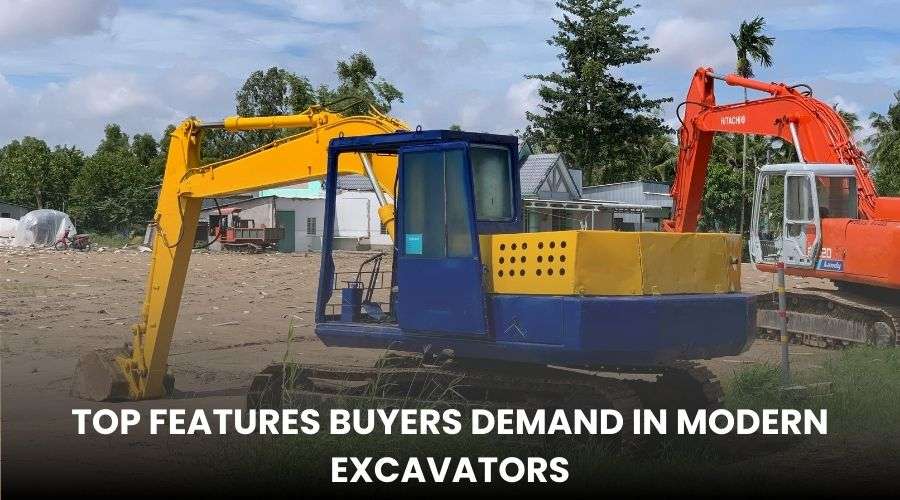
Your buyers don’t shop for excavators; they buy certainty. As the seller, you must translate features into reduced risk, higher output, and predictable costs. Fit drives safety, comfort, independence for operators, and long-term machine health through less abuse. A poor match triggers pain, fatigue, incidents, and downtime, then customers blame you. Frame your lineup clearly: manual isn’t relevant; categories are standard, compact, large, wheeled, specialty, and electric. Set expectations early before specs compete and emotions take over the bid review.
As a seller, you win when you prove production, not horsepower. In hydraulic mini excavators, hydraulic feel and seamless movement matter more. That means flow that supports combined motions, smooth metering, and strong breakout under load. Tie the cycle time to truck counts per hour, because that is how superintendents think. Show lift capacity with real radii and counterweight options. After that, demonstrate stable swing control in confined lanes. Mention grade-control readiness as a future-proofing hook.
Most buyers nowadays want auto-idle and auto-shutdown for maximum fuel efficiency. As a seller, explain excavator power modes in plain terms: the machine senses load and stops burning extra diesel to make the same work. Bring receipts with fuel-burn reports by task and idle ratios. Address emissions directly; buyers fear aftertreatment failures. Your excavator lineup should include cold-start behavior, regen strategy, and service access.
Buyers want a comfortable cab section. As an excavator seller, highlight the cab’s utility by showcasing through demos that highlight visibility, camera clarity, and lighting around blind spots. Another vital feature that modern operators want is seat suspension and a cab that has low vibration and low noise. All these features are great for a modern buyer who will be operating the excavator for long hours overnight. Push control customization and smooth electro-hydraulic response to reduce over-correction and wear. Climate control and filtration are not comfort fluff; they protect focus and lungs. One sentence lands: comfort buys output. Period for crews.
In excavator models, protection and user safety consist of various aspects like visibility, warnings, and secure access. Demonstrate the functionality of the safety features to a buyer, like 360 cameras, proximity alerts, and work lights on a dusty evening. Other common features that buyers want are overload warning alarms, as they drastically reduce malfunction risk. Talk through steps, handrails, and slip resistance; buyers watch for falls, not paint. Add lockouts and theft systems to protect assets. Safety prevents stoppages.
Smart connectivity in excavators means operational consistency. In excavators, this is delivered by informative panels that display surface hours, idle time, location, fuel, and fault codes. Remote diagnostics is another feature that shortens the time to repair. Operator coaching metrics help customers cut wear.
As a construction equipment seller, you need to know the buyer, and today’s buyers want excavators with versatility, and that means multiple attachments. A base-level attachment that is a must-offer is the coupler: hydraulic couplers reduce changeover friction and keep crews moving. Then there is a whole list of auxiliary hydraulics, because flow stability is crucial. These include buckets, grapples, augers, and compactors. Buyers also want undercarriage options to suit their operations, and that means models with specific gauge and track types.
Excavator customers want models that remain and achieve peak uptime after the sale. And that means features that ensure durability during operation. This is only possible if the excavator has a solid build quality that consists of boom and arm reinforcement, guarded lines, sealed electrics, and cooling that survives debris-packed radiators. Other features that lengthen the operational life of an excavator and are found in the latest model excavators are easy access for maintenance. That means filter access and grease points that are easy for the maintenance crew to reach.
The dealer network is part of the machine; promise response times you can keep for preplacement parts. Many excavator customers would prefer uptime over constant parts replacement.
If you want your excavator's inventory to sell fast, your sales process matters a lot. To make the sales process efficient, start with the customer’s job mix, then steer to uptime and attachment capability first. Those who decide whether the excavator earns daily. Next, validate operator fit with a demo: visibility, control feel, and fatigue factors. Then quantify fuel management and telematics value with their numbers, not averages. Finally, win on service: parts availability, field response, and warranty execution. Off-rhythm reminder: the spec sheet is not the jobsite. Your process must feel jobsite-real every time.
A crawler excavator depends entirely on its tracks for movement, st
READ FULLWheeled excavators represent a critical evolution in heavy machiner
READ FULLCrawler excavators stand as the most common heavy digging machines
READ FULL