




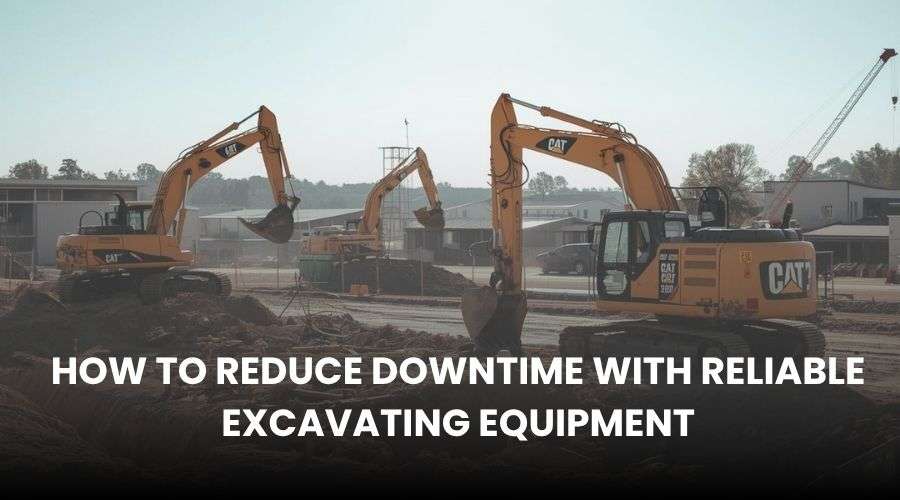
Maintaining an excavator is a very challenging task. There are lots of components that need attention, especially when you use this massive machine daily. Things become complex when you don’t get enough time for maintenance, and the risk of downtime increases. Therefore, you have to stick to a routine that helps you keep the excavator in good condition. As a result, there are no risks or rare risks of downtime during the operations. Here are the schedules and activities you need to follow if you want to avoid long and even minor downtimes for high efficiency.
If you do weekly maintenance like adjusting the alignment, it will be the most basic maintenance. You will have to do more than that. Inspect your excavator to see if there are damaged parts that need replacement. Misalignment of parts can cause minor downtime during the construction work. Likewise, your machine gets premature wear and tear in some areas, like the front and bottom components.
Do monthly maintenance also, because your damaged seal kit will surely need an inspection. Engine components that make a strange sound or the components in the cabin need some attention. These are some basic maintenance activities you should do.
What you need to do the most is grease the frequently moving components. The moving components and joints need greasing after every 10 hours of functioning. It will reduce the risk of excessive friction in the moving parts, like pins and bushings. Inspect swing and travel devices to see if they need greasing or parts replacement. Replace the swing and every bearing inside the excavator that is making noise.
Do this maintenance once a week or at least once every two weeks. Inspect propelling motor, gaskets, belts, sprockets, and idlers at least once every two weeks. The same is for counterweight components, arm, boom, and bucket. Prevent corrosion by lubricating every moving and non-moving component. Use grease and oil to keep them safe from heavy rusting.
The electrical system needs your attention since it interconnects every moving component with cabin controls. Ensure there is no moisture in the electric system since it has to be dry and safe from environmental threats. Likewise, inspect the battery condition and its terminals. The battery needs replacement after every 3 years on average. It depends on the usage level, which means you need to replace it after 2 or 5 years based on its performance.
Rubber components need timely replacement before they collapse at the site. Do a timely replacement of worn-out rubber and plastic parts when you notice cracks and tears. These are usually seals, shock absorbers, and rubber tracks. Since rubber tracks have to bear heat, dust, moisture, and various challenges, you need to do timely replacement. Replace your excavator’s rubber tracks after every 1000 or a maximum of 2000 hours. It depends on the usage level, and the more you use them, the sooner you have to replace them.
Built to Last: Since undercarriage and track wear directly affect maintenance frequency, machine build quality matters from day one. Sourcing from an established China crawler excavator manufacturer that uses durable components can significantly extend service intervals and reduce long-term upkeep costs.
The timely lubricant replacement is the key to the excavator’s top performance. Its engine, motors, and hydraulic systems will perform well when the lubricant quality is good. That is why you will have to do oil and filter replacement on time. There are some schedules you should follow, which will help you reduce the risk of the excavator’s downtime.
Here is an advanced method to keep track of the excavator’s performance. It will give a boost to keeping the maintenance at the top level. It contains telematics in a machine to track the performance through satellites. That means the GPS application monitors the movement of the excavator to show how much oil and components have faced wear and tear. This telematic system shows maintenance records, performs performance analysis, and inspects operating conditions.
There is a risk of overheating in every piece of machinery, especially in massive ones like excavators. They're not only the moving components, but also the cooling systems need timely maintenance. When it comes to the cooling system, it depends on the radiator’s performance. You will have to inspect the coolant level every week. Check if there is any premature wear and tear in the radiator tank and pipes.
Also, inspect frequently-used components like bucket teeth, hydraulic pump, and control valves. They need a visual and deep inspection every week. If you suspect pressure issues in the hydraulic pump, increase the fluid in it.
Lastly, you will have to train your employees, especially the excavator operator. How one operates this machine and prevents excessive load matters a lot. The performance will remain good as long as the operator also cooperates with the machine’s requirements. Ignoring the strange sounds and overheating issues can lead to long downtimes and costly repairs. So, one has to train the operator and repair teams also.
Consistent maintenance only goes so far if the machine wasn't built well in the first place. Choosing a manufacturer known for quality components, reliable hydraulics, and durable undercarriages makes every maintenance schedule easier to follow and less costly over time.
JG Excavators Group has been supplying crawler, wheeled, and mini excavators built for demanding job sites since 2006. Get in touch with our team to discuss your equipment needs and find the right machine for your operation.
A crawler excavator depends entirely on its tracks for movement, st
READ FULLWheeled excavators represent a critical evolution in heavy machiner
READ FULLCrawler excavators stand as the most common heavy digging machines
READ FULL