



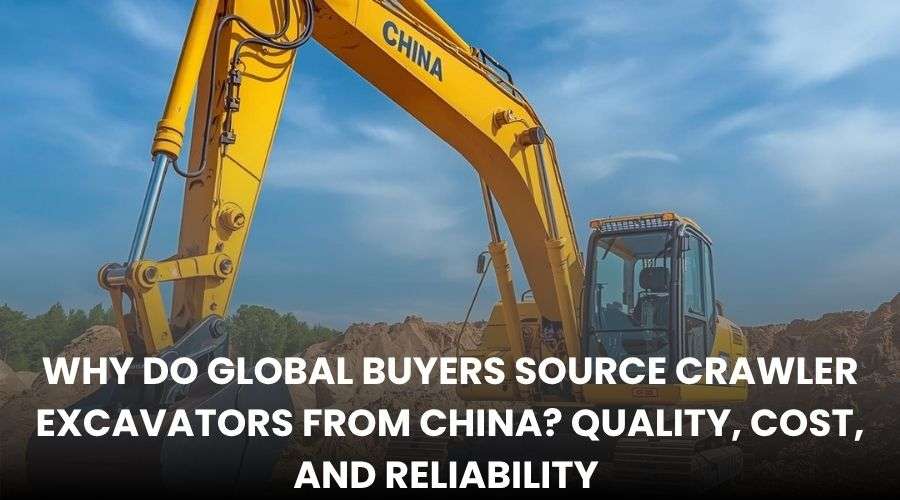
Did you know China produces more than 50% of the world's construction machinery? This statistic underscores a massive shift in global manufacturing power. For global construction business owners and procurement managers facing soaring costs, finding affordable yet reliable equipment is difficult.
This article addresses that challenge by examining sourcing from China. We guide you through finding a verified crawler excavator manufacturer to ensure quality. Reading this will help you partner with a trusted China crawler excavator supplier and maximize your ROI.
Crawler excavators serve as essential heavy machinery in modern construction, mining, and large-scale infrastructure projects. These powerful vehicles feature continuous tracks that provide exceptional stability and traction on difficult terrain. China dominates the global market for heavy equipment exports due to its massive industrial capacity.
The country has established comprehensive manufacturing ecosystems that support efficient production. Local supplier clusters ensure that factories access necessary components quickly and without delay. Government support further strengthens this industrial sector through subsidies and favorable policies.
Buyers evaluating sourcing destinations must understand this landscape to make informed decisions. China offers a unique combination of scale, speed, and technical capability.
Global buyers prioritize three specific decision pillars when selecting heavy equipment sourcing partners. Cost efficiency remains the primary driver for most procurement teams in this competitive industry.
Quality standards have risen significantly, matching expectations set by established international brands. Reliability and supply chain strength ensure that projects continue without costly interruptions. These factors directly influence procurement decisions by affecting the total return on investment.
B2B buyers focus intensely on ROI, machine uptime, and operational scalability. Understanding these pillars helps companies navigate the complex Chinese manufacturing environment successfully.
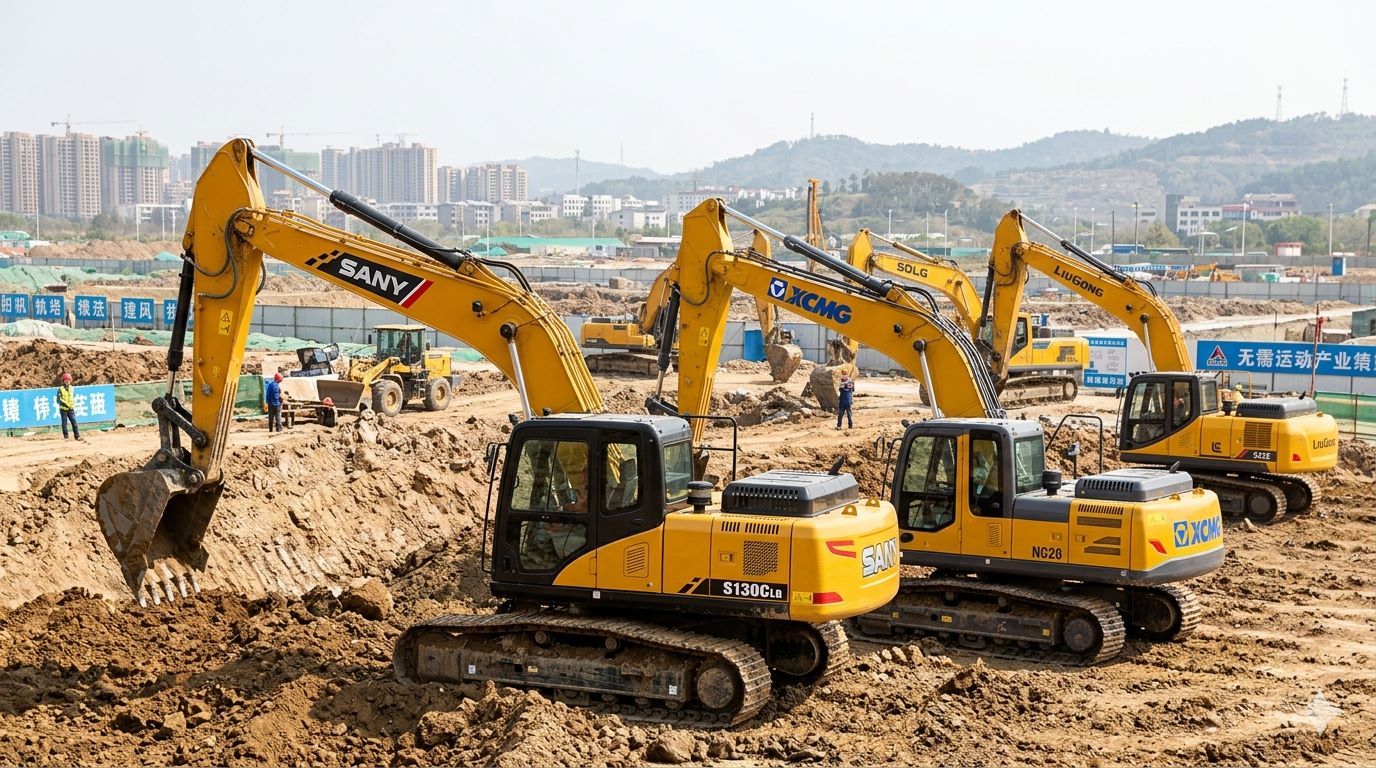
Chinese crawler excavators typically cost 20%–35% less than comparable models from Japan or Europe, depending on specifications and volume. This price advantage comes from lower manufacturing costs, integrated supply chains, and high production scale.
Chinese manufacturers achieve lower pricing through immense economies of scale and mass production techniques. Large facilities produce thousands of units annually, which significantly reduces per-unit costs. Integrated supply chains allow factories to source materials locally rather than importing expensive parts.
This vertical integration cuts out middlemen and reduces logistical expenses for the producer. Lower labor and operational costs in China further contribute to the final price advantage. Manufacturers pass these savings directly to buyers without sacrificing the machine's core functionality.
The initial purchase price represents a major barrier for many construction firms expanding their fleets. Chinese factories optimize production lines to minimize waste and maximize labor efficiency.
High-volume production runs allow for the bulk purchasing of raw materials like steel. This strategy drives down the material cost for every individual excavator built. Additionally, local sourcing of components avoids high import tariffs and shipping fees. Consequently, the capital expenditure (CAPEX) for a Chinese excavator remains significantly lower.
Smart engineering choices improve the Total Cost of Ownership over the machine's operational life. Manufacturers focus on fuel efficiency by optimizing hydraulic systems and engine performance.
Efficient engines consume less diesel during daily operations, which translates to massive savings. Lower maintenance costs result from durable designs that use standardized, easily replaceable parts. Longer service intervals reduce the frequency of downtime required for routine maintenance checks. These factors combine to make Chinese excavators financially attractive beyond the initial purchase.
Comparative pricing benchmarks consistently show Chinese brands priced significantly lower than Western competitors. A typical Chinese excavator may cost thirty to fifty percent less than a similar Japanese model. This value-for-money positioning challenges the premium pricing strategies of established European and American brands.
Buyers acquire modern technology and reliable performance for a fraction of the traditional cost. This pricing disruption allows smaller firms to access heavy machinery previously out of reach. The gap in price does not necessarily reflect a gap in capability.
Buyers must account for additional expenses beyond the factory price when importing heavy machinery. Shipping costs for heavy equipment can vary based on distance and current fuel rates.
Import duties, taxes, and customs clearance fees add high costs to the final invoice. Spare parts logistics represent another potential hidden cost if local availability is limited. Buyers should also consider the financial risk of downtime while waiting for replacements. Proper planning mitigates these unforeseen financial burdens during the procurement process.
Bulk purchasing strategies provide buyers with substantial leverage during price negotiations with manufacturers. Suppliers often offer significant discounts for orders involving multiple units or container loads.
OEM and ODM customization advantages allow buyers to specify features while negotiating better terms. Long-term supplier contracts secure fixed pricing and prioritize production slots for loyal clients.
A trusted China crawler excavator supplier values long-term relationships over one-time transactional profits. Establishing clear communication channels helps in reaching mutually beneficial financial agreements.
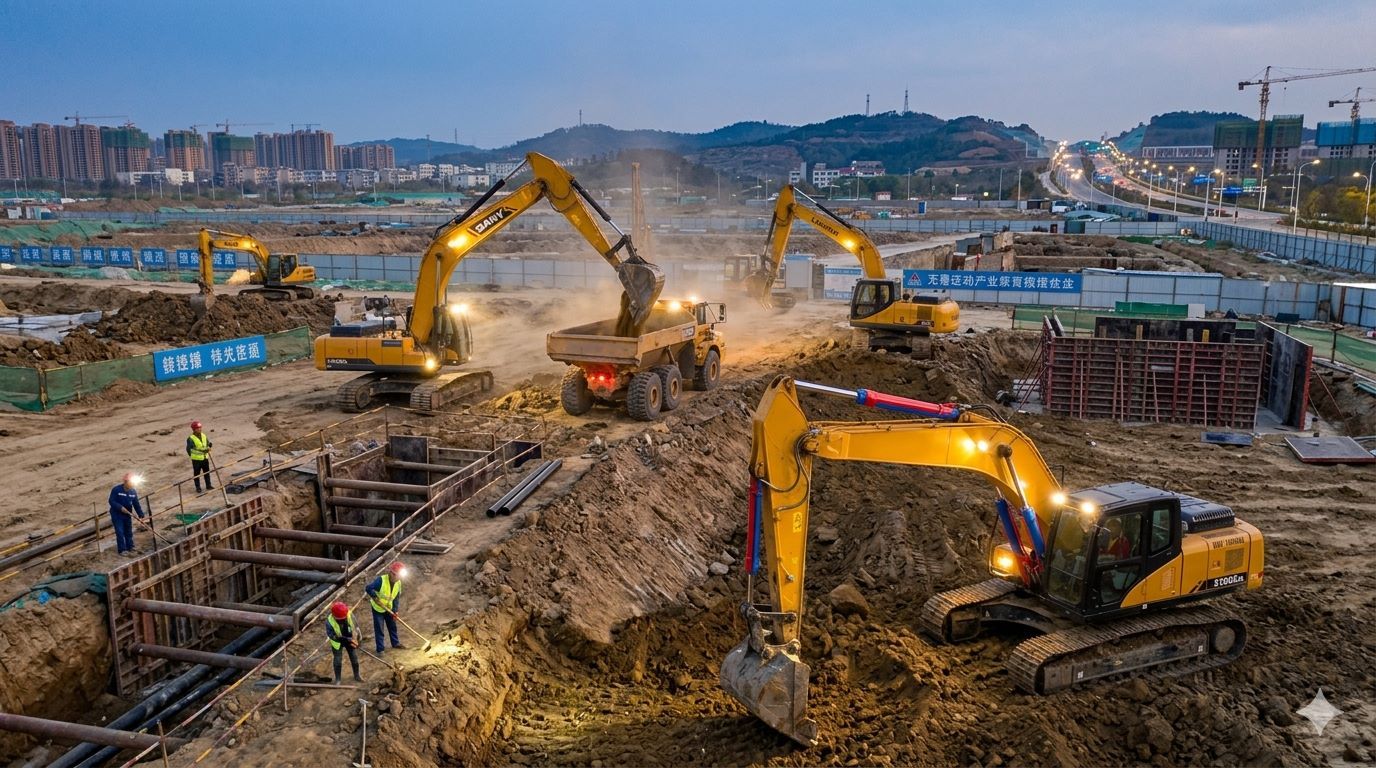
Quality is no longer the biggest concern it once was. Leading Chinese manufacturers now use:
Many exporters also comply with CE and ISO certifications, which are essential for international markets.
That said, quality still varies significantly between suppliers. Buyers must differentiate between:
This is where proper supplier verification becomes critical.
The quality of Chinese crawler excavators has improved dramatically over the last two decades. Modern manufacturing facilities utilize advanced robotics and precision engineering to ensure consistency. The industry has shifted from simple replication to genuine innovation in design and build.
Global buyers now recognize Chinese machines as viable alternatives to legacy Western brands. This shift results from heavy investment in technology and strict quality control protocols. A verified crawler excavator manufacturer today adheres to rigorous international standards.
Manufacturers use high-grade steel and reinforced structures to ensure the longevity of the frame. Many top-tier Chinese brands source critical components from globally renowned suppliers like Cummins or Kawasaki. These global components ensure that the heart of the machine meets international reliability standards.
Local manufacturers produce standard parts efficiently while importing specialized technology for precision systems. This hybrid approach balances cost control with the need for durable, high-performance materials. The result is a robust machine capable of handling rigorous work environments.
Buyers must strictly verify ISO certifications and CE marks before finalizing any purchase agreements. These compliance benchmarks confirm that the machinery meets essential safety and environmental regulations. In-line quality control systems monitor every stage of the production process.
Testing protocols subject finished units to stress tests that simulate real-world operating conditions. Documentation of these certifications provides legal protection and assurance of product quality. Rigorous auditing ensures the factory maintains consistent standards across every production batch.
Massive R&D investments have driven rapid advancements in automation and machine efficiency. Manufacturers now integrate smart features like telematics to monitor machine health remotely. IoT connectivity allows fleet managers to track fuel usage and location in real time.
Advanced operator control systems reduce fatigue and improve precision on the job site. These technological innovations bring Chinese machines up to par with leading global competitors. Continuous evolution keeps these manufacturers competitive in a demanding global market.
The durability of the undercarriage, boom, and bucket has improved significantly for heavy-duty tasks. Engineers reinforce critical stress points to withstand the rigors of mining and quarrying.
Performance tests demonstrate capability in extreme environments ranging from deserts to frozen tundras. These machines successfully operate in major construction projects and infrastructure developments worldwide.
Robust design ensures that the excavator maintains structural integrity under heavy loads. This capability proves that Chinese equipment is ready for the most demanding applications.
Variability among suppliers remains a significant risk in the diverse Chinese manufacturing landscape. Some lower-tier factories may cut corners to offer prices that seem too good to be true.
Buyers avoid these pitfalls by insisting on factory audits and product samples. Third-party inspections provide an unbiased assessment of the build quality before shipment.
Working with established brands rather than unverified trading companies mitigates potential quality issues. Due diligence is the most effective tool against inconsistent product quality.
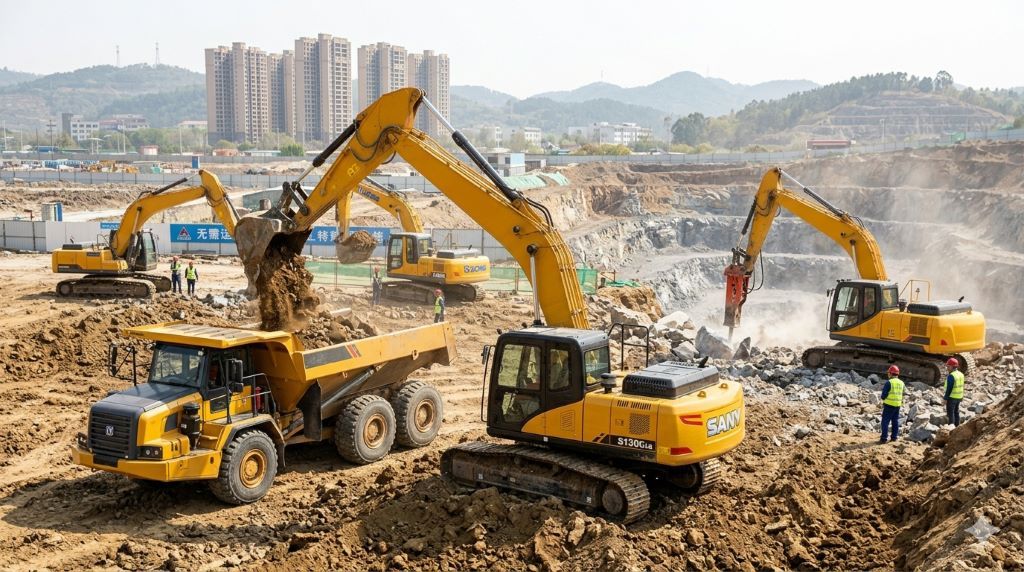
Reliability depends heavily on selecting partners with proven track records in the industry. Large-scale manufacturing capacity ensures that suppliers can fulfill orders even during market spikes.
Consistent production and delivery performance builds trust between the buyer and the manufacturer. Reliable suppliers maintain transparency regarding lead times and potential scheduling conflicts.
This stability is crucial for construction projects that operate on strict timelines. A dependable supplier acts as a strategic partner rather than just a vendor.
Top-tier manufacturers utilize advanced ERP systems to manage production schedules with high precision. Large-scale facilities dedicate specific production lines to international orders to ensure timely delivery.
Lead time reliability has improved as factories streamline their logistics and supply chains. Buyers receive regular updates regarding the status of their machines during assembly.
Accurate scheduling allows project managers to plan equipment deployment effectively. This consistency reduces the risk of costly project delays caused by equipment shortages.
Standard warranty structures typically cover major components for one year or a specific number of hours. Manufacturers increasingly offer extended warranty options to provide additional peace of mind.
Technical support teams assist with troubleshooting via phone, email, or digital platforms. Some established brands provide overseas service technicians for critical warranty repairs. Buyers should clarify the specific terms and response times in the sales contract. Robust after-sales support minimizes downtime and protects the buyer’s investment.
The availability of wear parts and components is critical for maintaining machine uptime. Reputable manufacturers establish distribution networks across key regions to stock essential spare parts. Efficient logistics ensure that replacements arrive quickly to prevent extended operational stoppages.
Digital inventory systems allow suppliers to track part availability and shipment status globally. Buyers should confirm the lead time for critical parts before purchasing equipment. A reliable spare parts chain extends the functional life of the excavator significantly.
Comprehensive operator and mechanic training programs enhance the value of the equipment purchase. Manufacturers often provide digital documentation and video tutorials for common maintenance tasks.
Remote diagnostics help technicians identify issues without physically visiting the job site. Proper training reduces the likelihood of accidents caused by operator error or mishandling.
Skilled mechanics perform routine maintenance more effectively, which prolongs the machine's lifespan. Educational support empowers the buyer’s team to manage the fleet independently.
Factory audits reveal the actual capabilities and quality control standards of the facility. Verified certifications and trade history provide objective data about the supplier's performance.
Client references offer insights into the supplier’s responsiveness and problem-solving abilities.
Visiting trade shows allows buyers to see the equipment and meet representatives personally. Thorough verification ensures that the buyer partners with a credible and stable manufacturer. This step is essential for mitigating risks in international procurement.
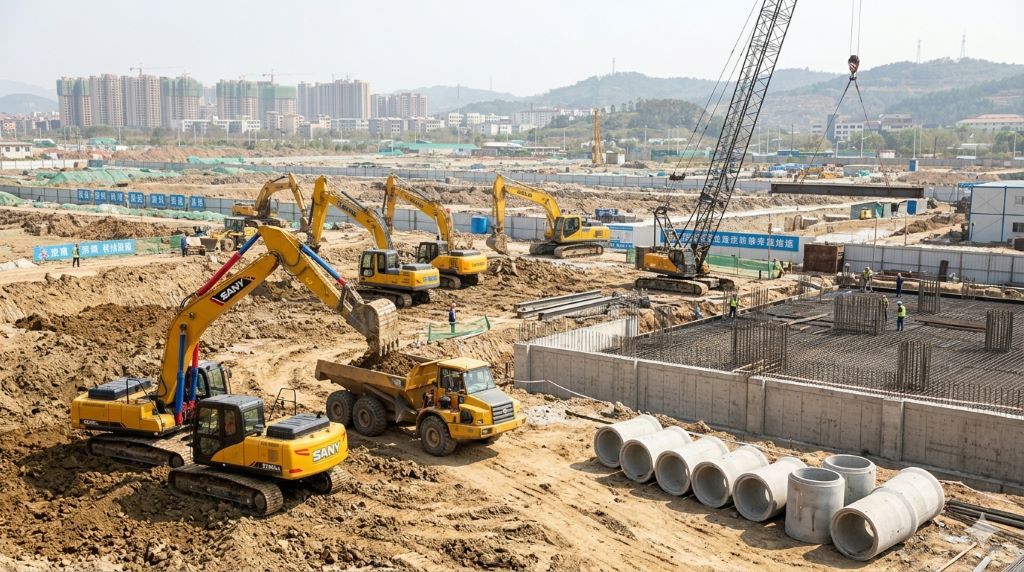
| Factor | China | Japan | Europe |
|---|---|---|---|
| Price | Low | High | Very High |
| Quality | Medium–High | Very High | High |
| Lead Time | Fast | Moderate | Slow |
| Spare Parts | Widely Available | Premium | Expensive |
| ROI (Short-Term) | Strong | Moderate | Low |
Successful sourcing begins with identifying potential suppliers through detailed market research and analysis. Buyers must evaluate manufacturers based on their specific product requirements and technical needs.
Verification of the supplier's credentials precedes any formal communication or requests for quotes. Once a supplier is selected, the parties negotiate terms, including pricing and delivery.
The process culminates in quality inspections and logistics arrangements for the shipment. Following this structured approach ensures a smooth and secure transaction.
Online platforms like Alibaba or industry-specific directories serve as starting points for finding suppliers. Trade shows provide opportunities to inspect machinery firsthand and build personal relationships.
Sourcing agents with local expertise can navigate the language and cultural barriers effectively. Buyers must carefully distinguish between a verified crawler excavator manufacturer and a trading company.
Direct manufacturers generally offer better prices and more control over customization. Shortlisting involves vetting candidates against strict criteria regarding quality and capacity.
Critical inquiries must cover the Minimum Order Quantity (MOQ) and estimated lead times. Buyers should ask specifically about customization options and any associated costs or limitations.
Warranty details and the scope of after-sales support require clarification in writing.
Compliance with the buyer’s country's import regulations is a vital topic of discussion. asking for client references helps verify the supplier’s claims about quality and service. Thorough questioning eliminates ambiguity and aligns expectations on both sides.
Pre-production inspections verify raw materials before the manufacturing process officially begins. During production inspections, identify and correct assembly issues early in the build cycle.
Pre-shipment inspections act as a final quality check before the equipment leaves the factory. Third-party quality assurance services provide an unbiased assessment of the finished product.
These inspections confirm that the excavator meets the agreed-upon specifications and safety standards. Rigorous testing prevents the shipment of defective or substandard machinery.
Buyers must choose between container shipping for dismantled units or RO/RO shipping for whole machines. Understanding Incoterms like FOB, CIF, and DDP determines who pays for shipping and insurance.
Proper documentation is essential to clear customs without delays or extra fees. Buyers should plan the logistics timeline to align with project start dates. Coordination between the supplier and freight forwarder ensures a smooth transit process. Effective logistics management reduces the overall cost and complexity of importing.
Country-specific machinery import rules dictate the required documentation and safety certifications. Emission standards, such as Tier 4 or Stage V, strictly regulate engine output. Safety standards ensure the machine meets operational requirements in the destination country.
Buyers must work with customs brokers to navigate tariffs and tax implications. Non-compliance can result in shipment rejection or hefty fines at the border. Adhering to regulations ensures the legal operation of the machinery upon arrival.
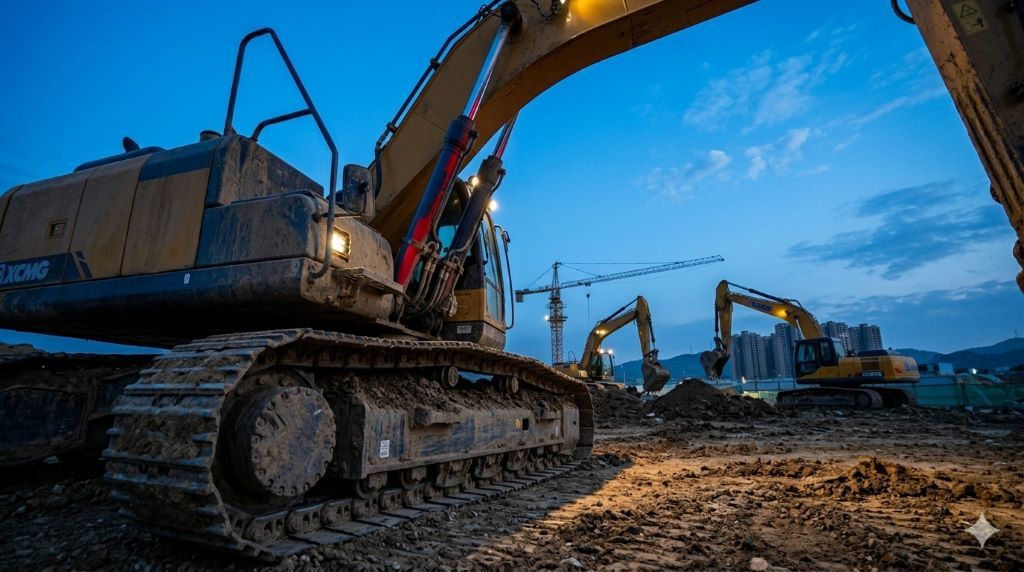
Competitive pricing combined with rapidly improving quality creates a compelling value proposition. The wide product range allows buyers to find specific machines for unique applications.
Scalable supply enables businesses to grow their fleet quickly as demand increases. Access to advanced technology without the premium price tag accelerates business growth. Customization options let companies brand equipment or tailor specs to their needs. These benefits collectively provide a strategic advantage in a competitive market.
Supplier inconsistency remains a challenge, especially among smaller or newer factories. Communication barriers and time zone differences can lead to misunderstandings or delays.
Intellectual property concerns exist if buyers share proprietary designs for OEM manufacturing. Fluctuating exchange rates may impact the final cost of the transaction. Logistical disruptions can delay the arrival of critical equipment needed for projects. Awareness of these risks allows buyers to prepare appropriate contingency plans.
Clear contracts with detailed specifications protect the buyer’s interests legally and financially. Utilizing professional inspection and sourcing partners adds a layer of security to the transaction.
Working with established brands like Jinggong Machinery mitigates the risk of poor quality. Maintaining open communication lines helps resolve minor issues before they become major problems. Diversifying suppliers can prevent dependency on a single source of equipment. Proactive risk management ensures a stable and profitable sourcing relationship.
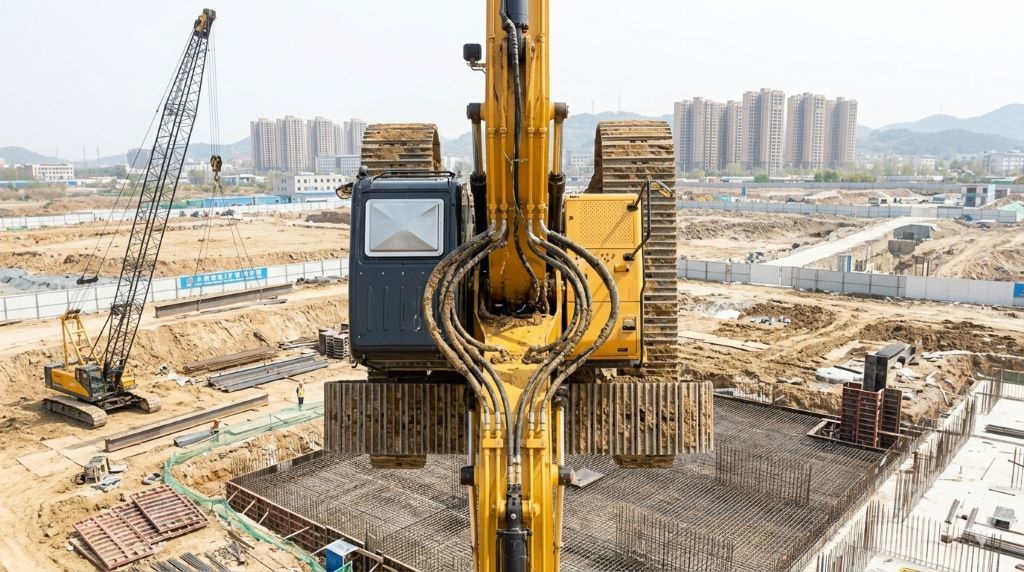
Real-world use cases in construction demonstrate the reliability of these machines under pressure. Mining operations utilize them for their durability and cost-effective operation in harsh conditions. Infrastructure projects benefit from the fuel efficiency and low maintenance requirements.
Performance indicators show high uptime rates and consistent fuel economy across different models. Buyer feedback often highlights the surprising durability of the undercarriage and hydraulic systems. These insights confirm that performance meets the demands of heavy industry.
A breakdown of the Total Cost of Ownership (TCO) reveals strong long-term financial viability. Lower initial investment means the machine breaks even faster than expensive brands.
Maintenance cycles are predictable, allowing for accurate budgeting over the machine's life. While resale value historically lagged behind Japanese brands, it is steadily improving. The lifecycle value often exceeds that of premium machines due to lower operating costs. Smart buyers view these excavators as assets with high ROI potential.
What Trends Are Shaping the Future of Excavator Manufacturing in China?
The industry is moving rapidly towards digitalization and smart manufacturing technologies.
Automation and AI integration are becoming standard features in new excavator models. Smart fleet management systems allow owners to optimize usage and reduce idle time.
Data analytics help predict maintenance needs before a breakdown occurs. These trends position Chinese manufacturers at the forefront of industry innovation. Buyers can expect increasingly sophisticated machines that integrate seamlessly with modern construction tech.
Electric and hybrid excavators represent the next major shift in heavy equipment manufacturing. Manufacturers are investing heavily in emission reduction innovations to meet global standards.
Sustainable equipment appeals to environmentally conscious projects and cities with strict emission laws. Battery technology improvements are making electric excavators more viable for heavy-duty tasks.
This focus on sustainability opens new markets for Chinese exporters. The future of excavation lies in efficient, eco-friendly machinery from China.
Is Sourcing Crawler Excavators from China the Right Strategy for Your Business?
Sourcing from China offers undeniable advantages in cost, quality, and supply chain reliability. The strategic value extends beyond simple price savings to include operational scalability.
Buyers should focus on strategic sourcing rather than making decisions based on price alone. Working with verified, established manufacturers ensures a positive experience and high-quality equipment.
A trusted China crawler excavator supplier can transform your procurement process. Ultimately, the right strategy involves partnering with experts who understand your business needs.
Are Chinese crawler excavators durable for heavy-duty use?
Yes, modern Chinese excavators utilize high-grade steel and robust designs for heavy-duty tasks. They perform well in mining, construction, and infrastructure projects globally. Brands have significantly improved durability through better engineering and quality control.
How long does it take to import excavators from China?
Import timelines typically range from 30 to 60 days, depending on the destination. Production time takes about 15 to 30 days before the goods ship. Ocean transit accounts for the majority of the waiting period. Customs clearance can add a few days to the process.
Can I customize excavators with my brand (OEM/ODM)?
Yes, at Jinggong Machinery, you can customize excavators according to your branding, colors, and specific feature configurations for the machinery. This allows businesses to build their brand identity. We provide full OEM and ODM services for international bulk buyers.
What certifications should I require from suppliers?
Buyers should always require ISO certification for quality management systems. CE certification is essential for machinery entering the European market. Specific safety certificates relevant to your country are also mandatory. These documents ensure compliance with international safety and quality standards.
Is it safe to source heavy equipment from China?
Sourcing is safe when you perform due diligence on the supplier. Factory audits and third-party inspections verify the quality and legitimacy of the business. Using secure payment methods protects your financial transaction during the purchase. Verified manufacturers provide safe and reliable business experiences.
A crawler excavator depends entirely on its tracks for movement, st
READ FULLWheeled excavators represent a critical evolution in heavy machiner
READ FULLCrawler excavators stand as the most common heavy digging machines
READ FULL